As winter settles over Prairie du Chien and the days grow shorter, many pet owners notice a subtle change in their dogs and cats. Your pet may seem less eager to venture outside, spend more time curled up in cozy corners, and even start to pack on a few extra pounds. At Tender Care Animal Hospital, we understand how the cold Wisconsin weather can influence your pet’s activity levels and overall health. Our team of veterinarians at 1420 E Lessard St, Prairie du Chien, WI 53821 is committed to supporting you in keeping your pet healthy all year long. In this blog, we’ll explore the reasons pets tend to gain weight in winter, how you can help your furry companion stay active, and when to schedule a veterinary visit for expert guidance. You’ll also discover practical tips on nutrition, indoor exercise, and how regular check-ups can make a real difference. If you’re concerned about your pet’s winter weight, you’re not alone; we’re here to help every step of the way.
Recognizing Weight Gain in Dogs and Cats During Winter
It’s not always easy to tell when a pet is gaining weight, especially under a thick winter coat. However, early recognition is important for preventing long-term health issues. Common signs your pet may be carrying extra pounds include a less defined waist, difficulty feeling their ribs without pressing firmly, or noticing reduced energy during playtime. Additionally, you might observe your dog hesitating on walks or your cat struggling to jump to their favorite perch. Subtle changes such as your pet tiring more quickly, seeking out more food, or becoming less active indoors can also be early indicators of weight gain. If you’re unsure, a comprehensive physical exam at our Prairie du Chien clinic can help assess your pet’s body condition and identify potential weight-related concerns before they become more serious.
Why Pets Gain Weight in Cold Weather
There are several reasons pets are prone to weight gain when the temperature drops. First, cold weather often leads to reduced outdoor activity; snow, ice, and frigid winds can discourage both pets and owners from taking regular walks or engaging in outdoor play. Indoor cats and dogs may not compensate with enough activity inside the house. The shorter days and longer nights can also disrupt routines, resulting in fewer opportunities for exercise. Some pets naturally experience increased appetite in winter, possibly as an instinct to build reserves for warmth. Owners may also be tempted to offer more treats or larger portions as a comfort during the season. When these factors combine, even a small daily calorie surplus can lead to gradual weight gain over the winter months.
Managing Your Pet’s Weight: Professional Support and Home Strategies
Veterinary Support for Healthy Weight Management
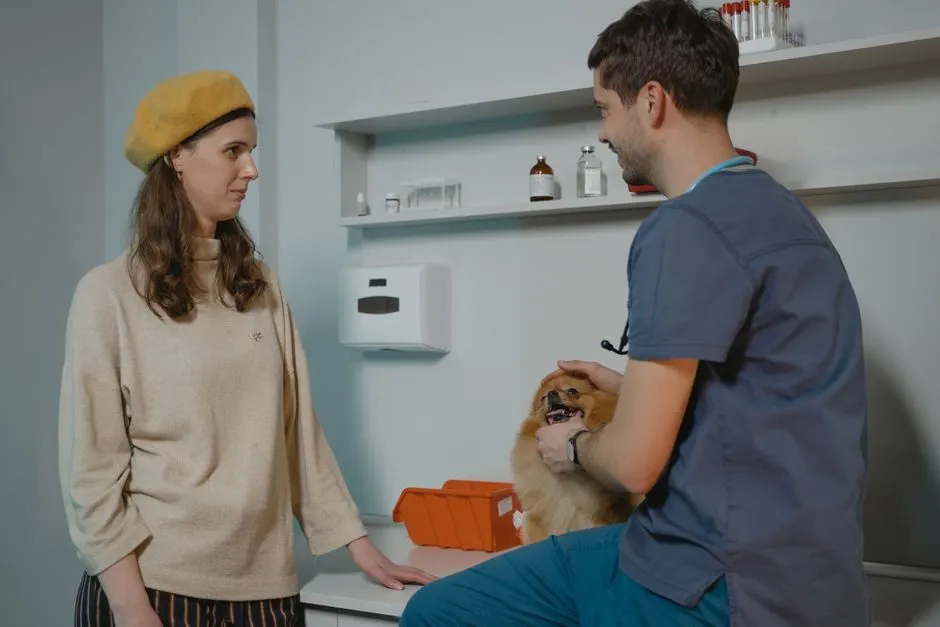
The most effective way to ensure your pet maintains a healthy weight is to partner with your veterinary team for regular monitoring and tailored advice. At Tender Care Animal Hospital, we recommend a semi-annual comprehensive exam to help track your pet’s body condition and adjust care plans as needed. During these visits, our veterinarians can evaluate your pet’s current weight, discuss nutrition, and suggest safe exercise options. If your pet has already gained extra pounds or has a medical condition such as arthritis or diabetes, our veterinary professionals will work with you to develop a weight management plan that addresses their unique needs.
Practical Steps for Healthy Weight at Home
At home, the most important factors in managing your pet’s weight are portion control, appropriate nutrition, and consistent activity. Start by reviewing your pet’s food label and measuring out meals according to veterinary recommendations, not just the bag’s general guidelines. Avoid feeding table scraps, as even small amounts can add up quickly. Replace high-calorie treats with healthier alternatives such as pieces of carrot or green bean for dogs, or a few kibbles of your cat’s regular food for training rewards. When it comes to exercise, try to maintain a daily routine. For dogs, this might mean bundling up for shorter, more frequent walks or playing games like fetch in a hallway. For cats, interactive toys, laser pointers, and climbing trees can encourage movement indoors. If your pet seems uninterested, experiment with different toys or activities to discover what sparks their enthusiasm.
Preventing Winter Weight Gain: Building Healthy Habits
Prevention is always easier than weight loss, especially for pets. Start by monitoring your pet’s weight regularly through monthly weigh-ins at home or during routine visits to our veterinary clinic. Adjust your feeding plan if you notice any increase, keeping in mind that pets often need fewer calories during winter months when they’re less active. Setting aside time for daily play, even on chilly days, helps keep your pet’s muscles engaged and burns off extra energy. For dogs, indoor games of hide and seek or scent work can make exercise fun when the weather is harsh. Cats benefit from vertical spaces to climb and chase, so consider adding shelves or cat trees to your home environment. Creating a feeding schedule rather than leaving food out all day can also curb unnecessary snacking.
When to Seek Veterinary Help for Your Pet’s Weight
While many pets can maintain a healthy weight with home management, some need extra help. If your pet is gaining weight despite your best efforts, seems lethargic, or has trouble with mobility, it’s time to schedule an appointment with our veterinary team. Sudden or unexplained weight gain can also signal underlying health concerns such as hypothyroidism or metabolic disorders, so a professional assessment is always recommended. Our team at Tender Care Animal Hospital can help rule out medical causes, develop a safe weight loss plan, and provide ongoing support to keep your pet on track. If your pet’s weight gain is accompanied by other symptoms like increased thirst, changes in appetite, or difficulty breathing, contact us promptly for an evaluation. For urgent concerns that cannot wait for a routine visit, our clinic offers urgent same-day veterinary appointments to address your pet’s needs quickly and effectively.
Supporting Your Pet’s Health Through Prairie du Chien’s Winter
Maintaining your pet’s healthy weight during the colder months is an important part of keeping them happy and active year-round. By staying attentive to changes in your pet’s body condition, providing the right balance of nutrition and exercise, and seeking veterinary guidance when needed, you can help your furry companion thrive even when the weather makes it challenging. Remember, our veterinary professionals at Tender Care Animal Hospital are here to support you; whether you live in Prairie du Chien or a nearby community, we are dedicated to your pet’s long-term health.
If you have questions about your pet’s weight or want to schedule a wellness check, reach out to our team at Tender Care Animal Hospital. You can call us at (608) 326-7101 to book your appointment. When you search for a veterinarian near me, know that our team is committed to compassionate, expert care right here in Prairie du Chien. For more information on pet health and seasonal wellness, explore our pet health and news resources. Together, we can help your pet stay healthy, comfortable, and at their ideal weight all winter long.
This blog is intended for informational purposes only and does not replace professional veterinary advice. If you have concerns about your pet’s health, please consult with our veterinary team for personalized guidance.