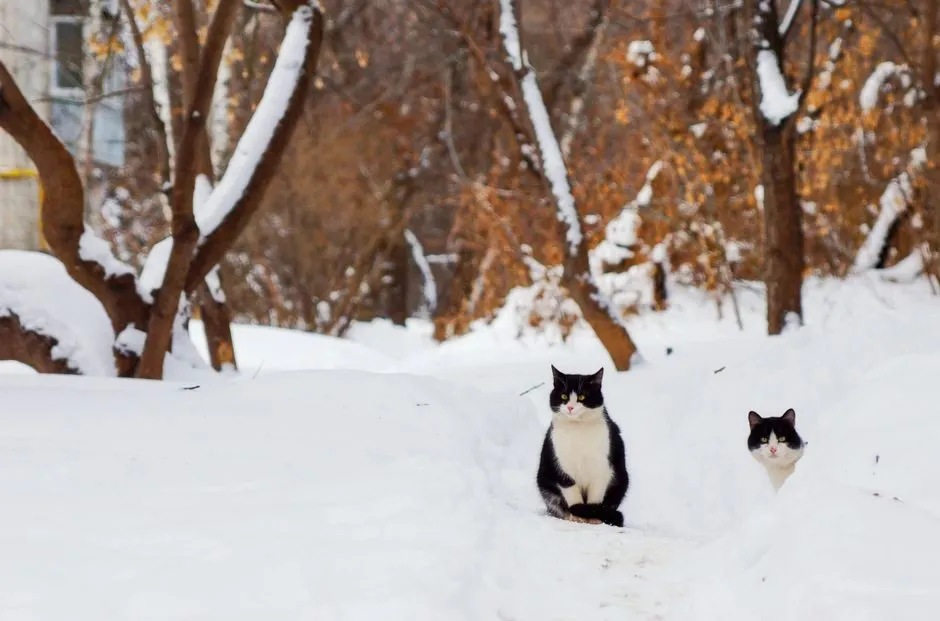
When November arrives in Prairie du Chien, the crisp air and shorter days signal the start of winter. As temperatures drop, many pet owners begin to wonder how to keep their dogs, cats, and small pets safe from the cold. At Tender Care Animal Hospital, located at 1420 E Lessard St, Prairie du Chien, WI 53821-3035, we understand that Wisconsin winters bring unique challenges for your furry companions. In this guide, we will explore practical steps you can take to protect your pet from chilly weather, including advice on outdoor safety, winter nutrition, paw care, and recognizing early signs of cold-related health issues. Our goal is to help you ensure your beloved animals stay comfortable, happy, and healthy all season long. If you ever have questions about winter pet care, our veterinary team is always here to help. For more seasonal advice, you can also explore our pet health resources and information.
Recognizing When Your Pet Is Affected by the Cold
Many pets enjoy a romp in the snow, but even the most adventurous dog or curious cat can be at risk when temperatures plummet. Key signs that your pet might be struggling with the cold include shivering, lethargy, or reluctance to go outside. You may notice your dog holding up a paw, limping after a walk, or seeking shelter more frequently. Cats often hide in warm, enclosed spaces and may reduce their activity during colder months. Small pets such as rabbits or guinea pigs can show signs of cold stress through decreased activity, huddling, or a loss of appetite.
Pets with thin coats, older animals, young kittens or puppies, and those with chronic health conditions are especially vulnerable to low temperatures. Watch for early warning signs such as whining, excessive licking of paws, or trembling. Hypothermia, a potentially serious condition, can develop quickly in pets left outside for extended periods. Symptoms of hypothermia include weak pulse, pale gums, confusion, and slowed breathing. If you notice any of these signs, it is important to bring your pet inside immediately and seek veterinary attention.
Why Cold Weather Poses a Risk to Pets
Winter weather in Prairie du Chien can be beautiful, but it also presents challenges for pets. Cold wind, snow, ice, and damp conditions can all sap body heat quickly, especially in smaller or short-haired breeds. Factors that contribute to cold-weather risks include wind chill, wet fur, and icy surfaces, which can make it harder for your pet to stay warm. Additionally, older pets and those with arthritis may experience increased joint pain and stiffness in the cold, making walking outside more difficult.
Salt and ice melt products, often used to keep sidewalks safe, can irritate your pet’s paws and may be toxic if licked off. Antifreeze is another winter hazard; it has a sweet taste that attracts animals but is extremely dangerous if ingested. Garage spaces and car engines can also be dangerous hiding spots for outdoor cats seeking warmth. Indoor air can become dry during the winter, leading to itchy skin and static in your pet’s coat. Understanding these risk factors will help you take proactive steps to protect your companion throughout the season.
Veterinary Care and Management for Cold-Weather Concerns
Professional veterinary care is crucial during the winter months, particularly if you suspect your pet is suffering from a cold-related condition. When you bring your pet to Tender Care Animal Hospital, we will perform a thorough examination to assess their overall health and determine if they are at risk for winter illnesses. Common treatments for cold-related injuries or illnesses involve gentle warming, intravenous fluids for severe cases, and supportive care for hypothermia or frostbite. Our team may recommend diagnostic testing if your pet is showing signs of illness, as winter can also bring an increased risk of respiratory infections.
If your pet is dealing with arthritis or age-related discomfort, we may suggest therapy laser treatments to reduce inflammation and pain, as well as nutritional supplements to support joint health. Addressing paw injuries or cracked pads is another important aspect of winter care; treatments might include topical ointments and protective booties. For pets exposed to toxic substances such as antifreeze or ice melt, immediate veterinary intervention is necessary to prevent life-threatening complications.
Routine check-ups are especially valuable in the winter, as they allow us to catch early signs of seasonal health issues and tailor advice to your pet’s lifestyle. To schedule an evaluation or discuss winter-specific concerns, you can request an appointment for veterinary evaluation and care.
Home Care and Preventive Steps to Keep Pets Warm and Safe
Taking proactive steps at home is the best way to help your pet thrive during cold Wisconsin weather. Limit outdoor time on especially frigid days, opting for shorter walks and supervised play in the yard. Make sure your dog or cat always has access to a warm, draft-free indoor space. When heading outside, consider using pet-safe sweaters or coats for dogs, especially those with thin fur or low body fat. Wipe your pet’s paws after every walk to remove ice, salt, and chemicals; this also helps prevent irritation and accidental ingestion of harmful substances.
Provide extra bedding and ensure your pet’s bed is placed away from cold floors or windows. For small pets, move cages away from drafts and provide additional nesting material to help them stay warm. Adjust feeding routines as needed, since pets may require more calories during the winter if they are active outside. However, indoor pets that are less active may need fewer calories to avoid weight gain. Keep water bowls filled with fresh, unfrozen water, and use heated bowls if necessary. Regularly check for signs of skin dryness or cracking, and use pet-safe moisturizers if recommended by your veterinarian.
In multi-pet households, monitor how your animals interact, as competition for warm spots can sometimes cause stress. If you have questions about caring for specific species or want to see helpful tips in action, our how-to videos featuring helpful pet care tips provide visual guidance on everyday winter challenges.
When to Seek Veterinary Care for Cold-Weather Issues
It is essential to know when at-home measures are not enough, and professional help is needed. You should contact your veterinarian if your pet is shivering uncontrollably, acting lethargic, or refusing to eat or drink. Difficulty breathing, persistent coughing, or a noticeable change in behavior during or after cold exposure are other warning signs. For injuries such as cracked paw pads, frostbite (characterized by pale or bluish skin), or suspected ingestion of toxic substances like antifreeze or ice melt, immediate veterinary attention is required.
Pets with chronic health conditions, such as diabetes, heart disease, or kidney issues, may need more frequent check-ins with your veterinary team during the winter. If you are concerned your pet’s arthritis symptoms are worsening, or if you notice limping or reluctance to move, schedule an appointment for an evaluation. For owners who want to assess symptoms before calling, our Pet Health Checker for evaluating potential health concerns offers an easy way to review common issues. However, this tool is not a substitute for a professional diagnosis, and we always recommend reaching out for advice if you are unsure.
Remember, seeking veterinary care at the first sign of trouble can prevent minor issues from becoming major problems. Our team at Tender Care Animal Hospital is committed to supporting you and your pet every step of the way.
Supporting Your Pet’s Health All Winter Long
As you prepare for the colder months in Prairie du Chien and surrounding communities, keeping your pet safe and healthy in cold Wisconsin weather requires a combination of vigilance, preventive care, and professional support. By recognizing the signs of cold-related stress, understanding the risks, and taking proactive steps at home, you can help your dog, cat, or small pet enjoy winter comfortably. If you have specific questions or want to discuss your pet’s individual needs, we encourage you to reach out to our compassionate veterinary team.
To schedule an appointment or learn more about our comprehensive services, you can call us at (608) 326-7101. Our team is here to provide guidance for everything from routine winter check-ups to urgent care needs. When searching for a vet near me who truly understands cold weather pet care, Tender Care Animal Hospital stands ready to help your family throughout every season. Explore our Pet Health Library with educational articles for pet owners for additional resources, or visit us at 1420 E Lessard St, Prairie du Chien, WI 53821-3035 to see how we can help your pet thrive this winter.